Every hiring leader knows the constant pressure of talent acquisition. You spot a promising resume, you want to move fast to beat the competition, but you simply cannot afford a bad hire. When you are managing recruitment pipelines, a practical question always comes up: Is BGV done before an interview, or should you wait until you are ready to make a job offer? The short answer is that it depends on what depth of checking you mean.
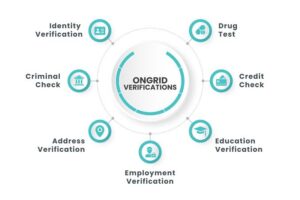
Full, exhaustive background verification rarely happens before a first conversation. However, smart HR teams use a phased approach so they do not waste precious time on inflated or fake resumes. Instead, smart HR teams split BGV into quick initial checks and deep post-interview reviews.
What Pre-Interview Screening Actually Looks Like
Running a complete BGV on every single applicant who drops a resume into your ATS makes zero financial sense. It creates administrative backlog and frustrates candidates who haven’t even decided if they want to work for you yet. Before setting up that first phone call or interview round, most companies only do light preliminary screening. Think of this as simple risk management:
- Identity confirmation: Making sure the person on the screen matches the name on the application and holds valid work authorization.
- Public profile checks: Give their LinkedIn profile a quick read. You’re mostly checking whether the story they tell publicly lines up with the resume on your desk.
- Public watchlist scans: Quick BGV checks across public databases for executive, legal, or finance roles where compliance is non-negotiable.
This stage isn’t meant to uncover everything. Its only job is catching obvious red flags so your hiring managers don’t waste an hour talking to someone with a completely inflated background.
The Post-Interview Deep Dive
Once a candidate passes their technical interviews and cultural assessments, the real work starts. This is where full-scale BGV kicks in. Once a candidate makes it to the final stretch, you need to verify what’s actually real. When you get down to it, most companies focus on four main things here:
Start by getting in touch with where they used to work. Forget trusting whatever dates are typed on a PDF file. Pick up the phone or email past HR contacts to double-check when they actually worked there, what their official title was, and why they ended up leaving.
Second, check their academic credentials right at the source. People stretch the truth on resumes all the time, whether it’s claiming a degree they almost finished or listing an unaccredited online institution. Reaching out to the registrar or licensing board settles that real fast.
Third, look into relevant court and police records. Running standard criminal BGV checks isn’t about being overly cautious; it’s a basic obligation to keep your current employees safe and protect the business from liability.
Finally, talk to people who actually supervised them. A brief phone call with a former manager usually tells you more than five interviews ever could—especially when you ask about how they handle pressure, take criticism, or interact with team members day to day.
Why Timing Changes Everything for Enterprise Leaders
Getting the sequence right isn’t just about legal safety—it directly impacts your bottom line and hiring pipeline.
First, it keeps your operational budget intact. Deep BGV carry third-party fees. Saving them for your final one or two candidates per role keeps costs predictable.
Second, it protects the candidate experience. Strong candidates will back away pretty fast if you start demanding tax records, personal IDs, or references before they’ve even decided if they want the job. Holding off on those requests until you’re putting together an offer letter shows you value their privacy and respect their time.
On top of that, data privacy rules aren’t getting any looser. Running deep BGV requires explicit, legally binding candidate consent. Requesting that consent during the offer stage keeps your organization fully compliant with global privacy laws.
Scaling Your BGV Strategy with Himadi Solutions
Trying to manage multi-step BGV in-house while rapidly scaling your headcount almost always leads to hiring bottlenecks. Turnaround times drag out, candidates get impatient, and your HR team gets stuck doing manual follow-ups. Partnering with a specialized vendor removes that friction entirely.
At Himadi Solutions, we give organizations the tools to hire fast without taking on hidden risks. It doesn’t matter if you just want quick sanity checks before bringing someone in for an interview or need deep BGV before signing off on an offer—we build screening workflows that keep up with how fast you actually hire. Head over to our site to see how we help teams hire safer while keeping candidate pipelines moving.